

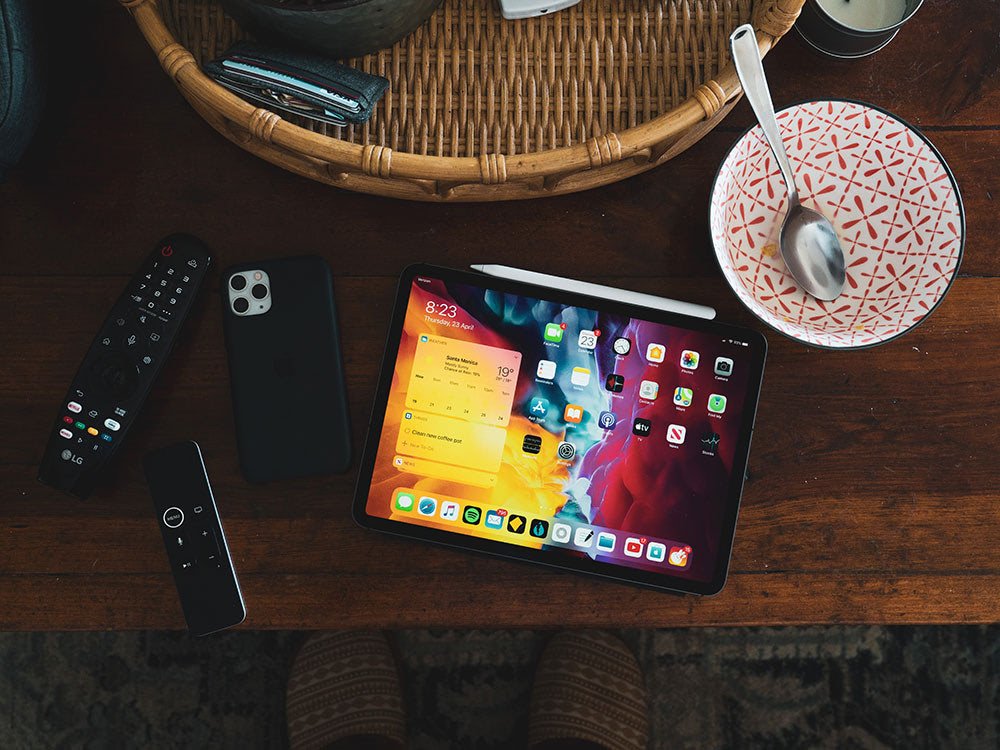
Smart home technology has evolved from a luxury to a practical solution for modern living. Today, homes can be connected in ways that improve comfort, efficiency, and security, all through intuitive devices and automated systems. From smart lights to voice-controlled assistants, technology is reshaping how we interact with our living spaces.
At the heart of smart home technology is convenience. Devices such as smart speakers, thermostats, and lighting systems allow users to control multiple aspects of their home with a single app or voice command. For instance, a smart thermostat can learn your daily schedule and adjust temperatures automatically, optimizing energy use while keeping your home comfortable. Similarly, smart lighting systems allow users to set moods, schedule lighting times, or turn off lights remotely, saving both energy and time.
Security is another major benefit. Smart home devices such as cameras, door locks, and motion sensors enhance safety by providing real-time monitoring and alerts. Whether you’re at work, traveling, or simply upstairs in your home, you can check live camera feeds, lock doors remotely, or receive instant notifications if unexpected movement is detected. This level of control offers peace of mind and reduces the risk of break-ins or property damage.
Smart home assistants, like HomeConnect or similar systems, serve as the central hub for these devices. Voice commands make it possible to control multiple devices simultaneously, check the weather, set reminders, or even order groceries. Integration with other devices ensures that users can manage everything from a single interface without needing to juggle multiple apps.
Energy efficiency is another key aspect. Smart plugs and energy monitoring systems track power usage and help users reduce waste. For example, a smart plug can automatically turn off devices when not in use or alert homeowners if an appliance is consuming excessive energy. Over time, these small adjustments can lead to significant savings on utility bills.
Entertainment is also enhanced by smart home technology. Connected speakers, smart TVs, and home theaters can be integrated to provide immersive audio-visual experiences. Users can stream music or videos in any room, control volume remotely, and even synchronize multiple devices for a unified experience throughout the home.
While the benefits are clear, users should be aware of privacy and cybersecurity concerns. Smart home devices collect data to optimize performance, which means users must ensure strong passwords, regular updates, and secure networks. Selecting devices from reputable manufacturers can minimize risks and ensure long-term reliability.
In conclusion, smart home technology is no longer just a futuristic concept—it’s becoming an essential part of modern living. By improving convenience, security, energy efficiency, and entertainment, these systems provide tangible benefits that simplify daily life. For homeowners looking to modernize their living spaces, integrating smart technology is a practical and forward-thinking choice.